Cornstarch vs. Egg Yolks vs. Gelatin: Choosing the Right Pudding Thickener
Every pudding starts with the same question, even if you never say it out loud: what is going to make this thick? Cornstarch, egg yolks, and gelatin are the three workhorses of home pudding making, and each one turns a pot of sweetened milk into something completely different. Choose cornstarch and you get a glossy, spoonable chocolate pudding. Choose yolks and you get a silky custard that tastes faintly of caramelized dairy. Choose gelatin and you get a clean, wobbly set that melts the second it hits your tongue.
None of them is better than the others. They just fail in different ways, and knowing those failure modes is what separates a pudding you serve with confidence from one you apologize for.
How Each Thickener Actually Works
Cornstarch
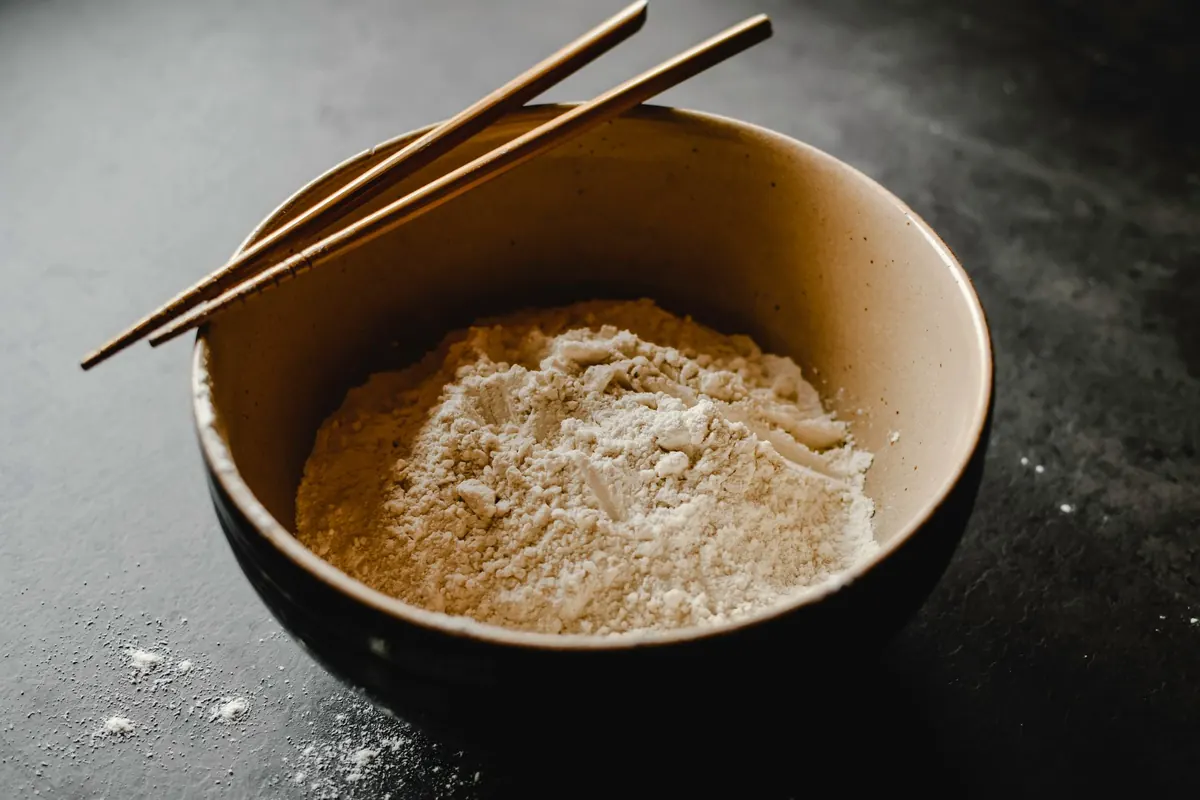
Cornstarch is a starch, and starch thickens by swelling. Suspended in a cold liquid and heated, the granules absorb water, burst, and release long molecules that trap the surrounding liquid. That's why the pot has to come to a gentle boil — not a simmer, a boil — and stay there for a minute or two, stirring, before it thickens properly. Pull it off the heat too early and you'll taste raw starch and get a pudding that turns watery as it cools.
As a rough starting point, 1 tablespoon of cornstarch per cup of liquid gives you a thin dessert sauce, while 2 tablespoons per cup lands closer to a spoonable pudding. Always slurry it first — whisk it into a few tablespoons of cold milk or water — or you'll be chasing lumps around the pot.
Egg Yolks
Yolks thicken through coagulation: heat unfolds their proteins until they link up and trap liquid. The window is narrow. Below roughly 180°F the mixture stays liquid; push it much past that and the proteins squeeze together, and you have scrambled eggs in your custard. The fix is tempering — whisk a slow stream of hot milk into the beaten yolks, then return everything to the pot over low heat and stir constantly until it coats the back of a spoon.
What yolks give you in return is richness. The fat and lecithin in the yolk make a pudding that feels velvety rather than gelatinous, which is why crème anglaise, pot de crème, and the best pastry creams are built on them.
Gelatin
Gelatin is a protein that dissolves in warm water and rebuilds itself into a delicate network as it cools. It doesn't need a boil — in fact, boiling for long stretches weakens its setting power. Bloom powdered gelatin in cold water first (about 2¼ teaspoons, one standard packet, will softly set roughly 2 cups of liquid), let it sit for five minutes, then melt it into your warm base. Use less for a softer, creamier set.
Texture: What Ends Up on the Spoon
- Cornstarch — opaque, glossy, and slightly clingy. It reads as "pudding" in the classic sense: thick enough to hold a spoon upright in a chilled cup. Overcook it or stir it too aggressively and it turns gluey.
- Egg yolks — satiny and dense, with a flavor that's more than the sum of its parts. It coats the tongue instead of sitting on it. The trade-off is fragility: custards can weep or curdle if they're rushed.
- Gelatin — translucent and springy, with clean edges when sliced and a set that melts at body temperature. Too much and it turns rubbery; too little and it slumps on the plate.
Reheating and Make-Ahead Limits
This is where the three really diverge, and it matters when you're cooking ahead.
Cornstarch puddings are best the day they're made and fine for two or three days in the fridge with plastic wrap pressed directly onto the surface. Reheat them gently with a splash of milk, whisking as they warm, because the gel loosens with heat and tightens again as it cools. Freezing is where they fall apart — thawed cornstarch pudding tends to go watery and grainy.
Egg-thickened custards hold for about two days. Reheat them over low heat or in a water bath and never let them boil, or you'll undo the work of tempering. Serve them cold if you're at all unsure; a cold custard is a safe custard.
Gelatin is the most forgiving of the three. It keeps three to four days, and because it melts when warmed and resets when chilled, reheating is almost foolproof. Warm it gently rather than boiling it, and don't stir in fresh pineapple, kiwi, or papaya — their enzymes break down gelatin and you'll end up with soup.
Dietary Needs and Substitutions
- Vegan or dairy-free: cornstarch is your default. Soy and oat milk set reasonably well; almond and rice milk are thinner, so add an extra half tablespoon of starch per cup. Gelatin is animal-derived, so reach for agar or a commercial plant-based gelling agent instead — agar needs a full boil and sets firmer and more brittle than gelatin.
- Egg allergies or egg-free diets: skip the yolks and lean on cornstarch, or build a cornstarch-and-butter base for custard-like richness without the risk.
- Gluten-free: all three thickeners qualify. Check labels anyway, since cross-contamination varies by brand.
- Religious or ethical diets: gelatin's source matters. Look for fish gelatin or certified kosher or halal beef gelatin if that's a consideration.
If you're cooking for someone with a medical condition or a serious allergy, read every label and check with a qualified professional rather than assuming a substitution is safe.
Choosing in a Hurry
- Chocolate pudding for tonight, served straight from the pot: cornstarch.
- A chilled custard you want to feel luxurious: egg yolks.
- Clean slices, molded shapes, a dessert that travels: gelatin.
- Something made two days ahead for a party: gelatin, or cornstarch if you reheat gently.
Start Small, Taste Warm, Judge Cold
Whatever you choose, season while the pudding is warm — vanilla, salt, a little extra sugar — but judge the texture only after it has chilled for a few hours. Cornstarch and gelatin both firm up considerably as they cool, and custard thickens too. If it's too thin after chilling, whisk in a small slurry of cornstarch and cold water and bring it back to a gentle boil for a minute; if it's too thick, stir in warm milk a tablespoon at a time.
Keep notes on your first few batches: how much thickener you used, how long it boiled or how far you took the custard, and what you thought of the set. Two or three rounds and you'll stop measuring by recipe and start measuring by feel — which is when pudding becomes something you make on a Tuesday, not just for company.
Photo: Eva Bronzini / Pexels
You Might Also Like
Doubling a custard recipe takes more than multiplication. Learn which ratios to scale, how pan depth drives bake time, and how to chill safely for a crowd.
How oat, soy, almond, and coconut milks behave in dairy-free pudding, plus the starches, agar, and gums that deliver either a soft spoonable set or a firm sliceable one.